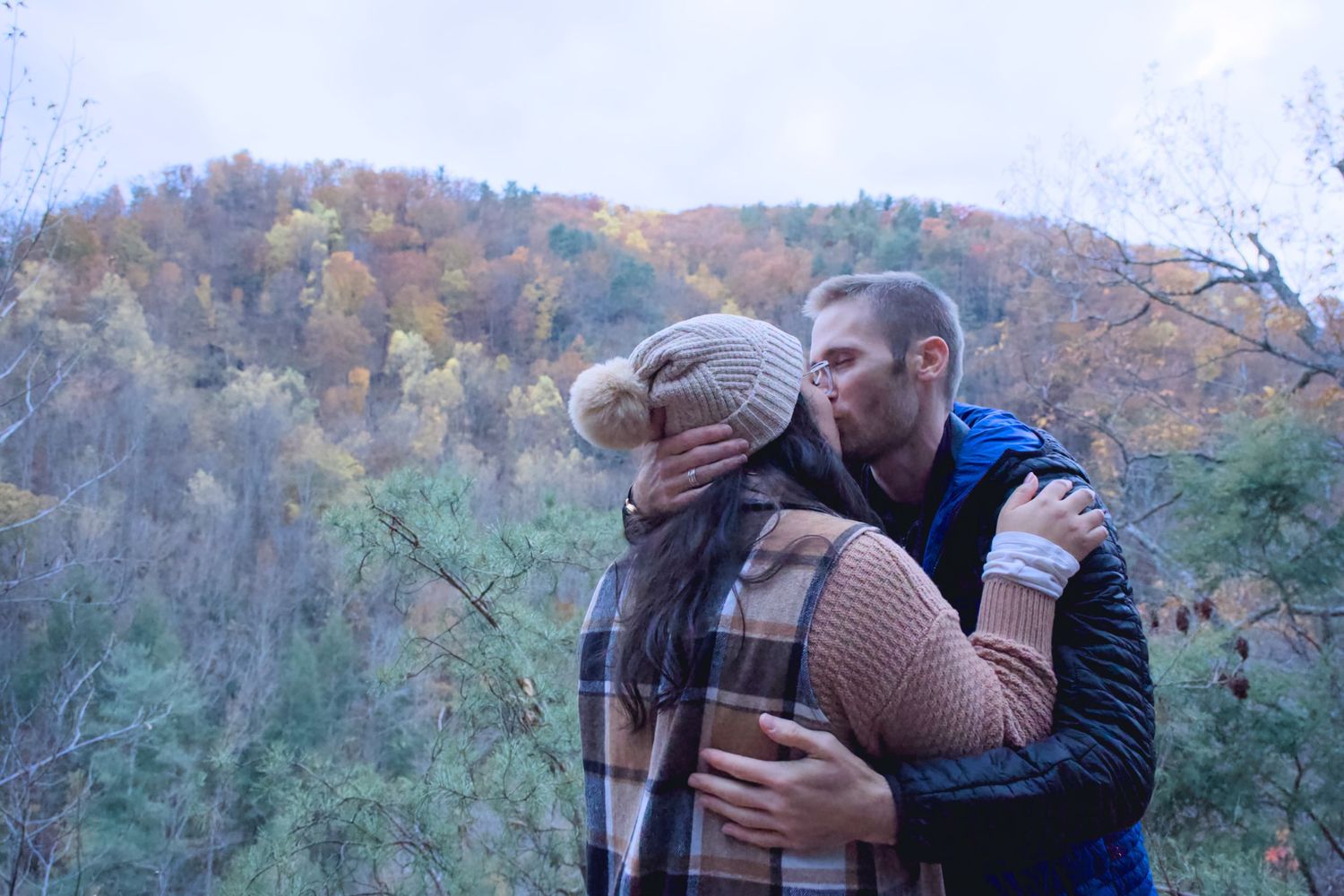

Planning a destination wedding in the Smoky Mountains sounds simple.
Mountains. Cabin. Dress. Vows.
But once you start researching, you quickly realize you may need:
• A photographer
• An officiant
• A coordinator
• A permit
• Vendor recommendations
• Ceremony logistics
• Timeline planning
• Backup weather plans
Suddenly, “simple” doesn’t feel simple.
If you’re planning a wedding in Gatlinburg, Pigeon Forge, or near the Great Smoky Mountains National Park, here’s how to keep it stress-free.
⸻
Step 1: Decide What Actually Matters to You
Before booking anything, ask:
• Do we want guests or just us?
• Are we drawn to a cabin or a mountain overlook?
• Do we want traditional or intimate?
• Are photos our top priority?
Most stress comes from trying to do too much.
Smoky Mountain weddings are best when intentional — not overbuilt.
⸻
Step 2: Understand the Legal Requirements
Tennessee requires:
• Marriage license (no waiting period)
• Authorized officiant
• Proper documentation return
Licenses are obtained through county clerks such as the Sevier County Clerk’s Office.
If you’re planning a national park ceremony, you’ll also need a Special Use Permit from Great Smoky Mountains National Park.
Skipping these steps creates unnecessary anxiety.
⸻
Step 3: Choose a Location That Matches Your Guest Count
This is where couples miscalculate.
2–10 Guests
Mountain overlook or small cabin deck.
15–40 Guests
Large rental cabin or small venue.
50+ Guests
Traditional venue space designed for events.
Cabins are beautiful — but many driveways and parking areas are not built for large gatherings.
Logistics matter.
⸻
Step 4: Create a Timeline Around Light (Not Just Dinner)
In the Smokies, sunset timing is critical for photography.
Golden hour in the mountains can be breathtaking — or blocked by ridgelines if you’re in the wrong spot.
A strong timeline considers:
• Travel time
• Traffic patterns
• Weather shifts
• Sunset direction
• Vendor arrival windows
That’s where coordination becomes valuable.
⸻
Step 5: Prepare for Mountain Variables
Smoky Mountain weddings face:
• Sudden rain
• Fog
• Tourist congestion
• Wildlife presence
• Temperature swings
You don’t panic when you plan ahead.
You adapt.
⸻
Step 6: Simplify Your Vendor List
Here’s the honest truth:
The more vendors you hire, the more communication chains you create.
Each vendor:
• Has contracts
• Has arrival times
• Has questions
• Has payment schedules
When possible, working with professionals who understand multiple aspects of your wedding reduces stress dramatically.
Especially in destination settings.
⸻
Step 7: Add One Memorable Element
Want your wedding to stand out?
Choose one unique moment:
• Sunrise ceremony
• Sunset vow exchange
• Intimate candlelit cabin dinner
• A symbolic gesture like a pigeon release
• Private first look on a mountain trail
You don’t need ten Pinterest trends.
You need one unforgettable moment.
⸻
Common Mistakes That Create Stress
• Booking the cheapest option without vetting experience
• Underestimating traffic in peak season
• Skipping coordination
• Not checking permit requirements
• Overloading the schedule
• Trying to please every guest
Your wedding is not a production for others.
It’s a commitment ceremony for you.
⸻
What a Stress-Free Smoky Mountain Wedding Actually Looks Like
• Clear timeline
• Fewer vendors
• Experienced local professionals
• Backup weather plan
• Legal paperwork handled
• Intentional guest count
• One meaningful focal moment
When those pieces align, the day feels calm — even in the mountains.
⸻
Final Thoughts
Smoky Mountain weddings are powerful because of their setting.
They don’t require excess to be meaningful.
They require clarity.
If you’re planning a wedding in Gatlinburg or the surrounding mountain towns, focus on simplicity, structure, and experience over trend accumulation.
When you build your day intentionally, stress disappears — and the mountains do the rest.